Understand
Music
Today.
No matter what instrument or style — AtoG+5 is the definitive identification of music fundamentals. Save time, skip confusion, and start playing music today.
Simple directions.
Universal music.
Music is more like a Game or Sport — the activity is as much in the doing as in the learning. AtoG+5 enables the playing of any instrument with simple yet universal identification of notes that make scales that make songs.
No wasted time with every concept building on the other. More like following directions rather than learning calculus — never overwhelming.
Explore Courses →


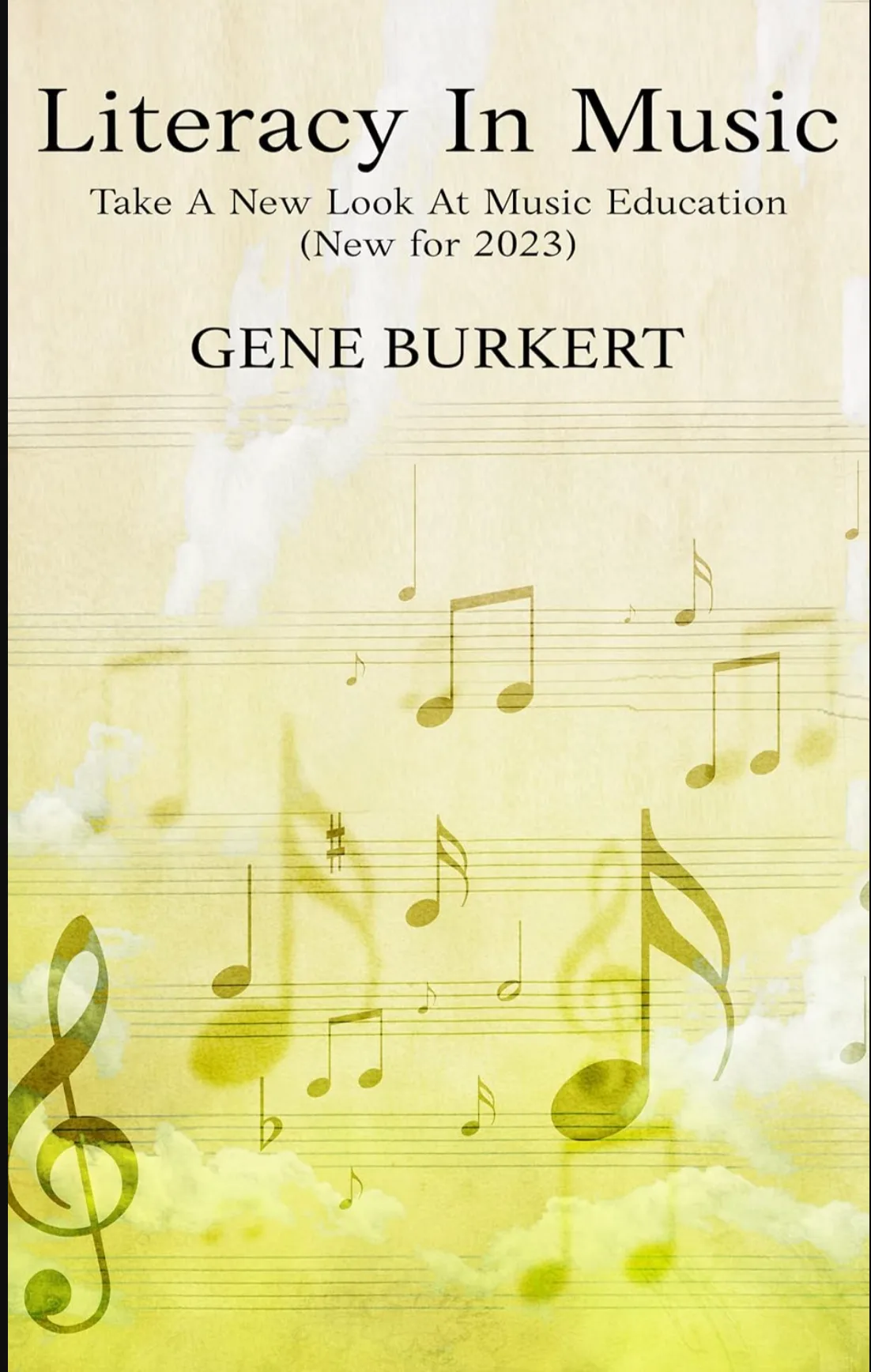
What You'll Gain From Literacy In Music
Gene Burkert's Literacy In Music takes a fresh approach to music education — breaking down the language of music so anyone can read, understand, and play with confidence.
-
Learn how alphabetical order is the "key" to music
Learn to decode sheet music naturally, the same way you learned to read words.
-
Works Across All Instruments
The principles in this book apply whether you play piano, flute, trumpet, or any other instrument.
-
Build Real Confidence
Stop guessing and start understanding — gain the foundation that makes every lesson click.
-
A Modern Approach for 2023 & Beyond
Updated with new insights that reflect how today's learners absorb and retain musical knowledge.
One system,
every instrument.
The AtoG+5 method works across all instruments. Same foundation. Different technique.


Featured Courses
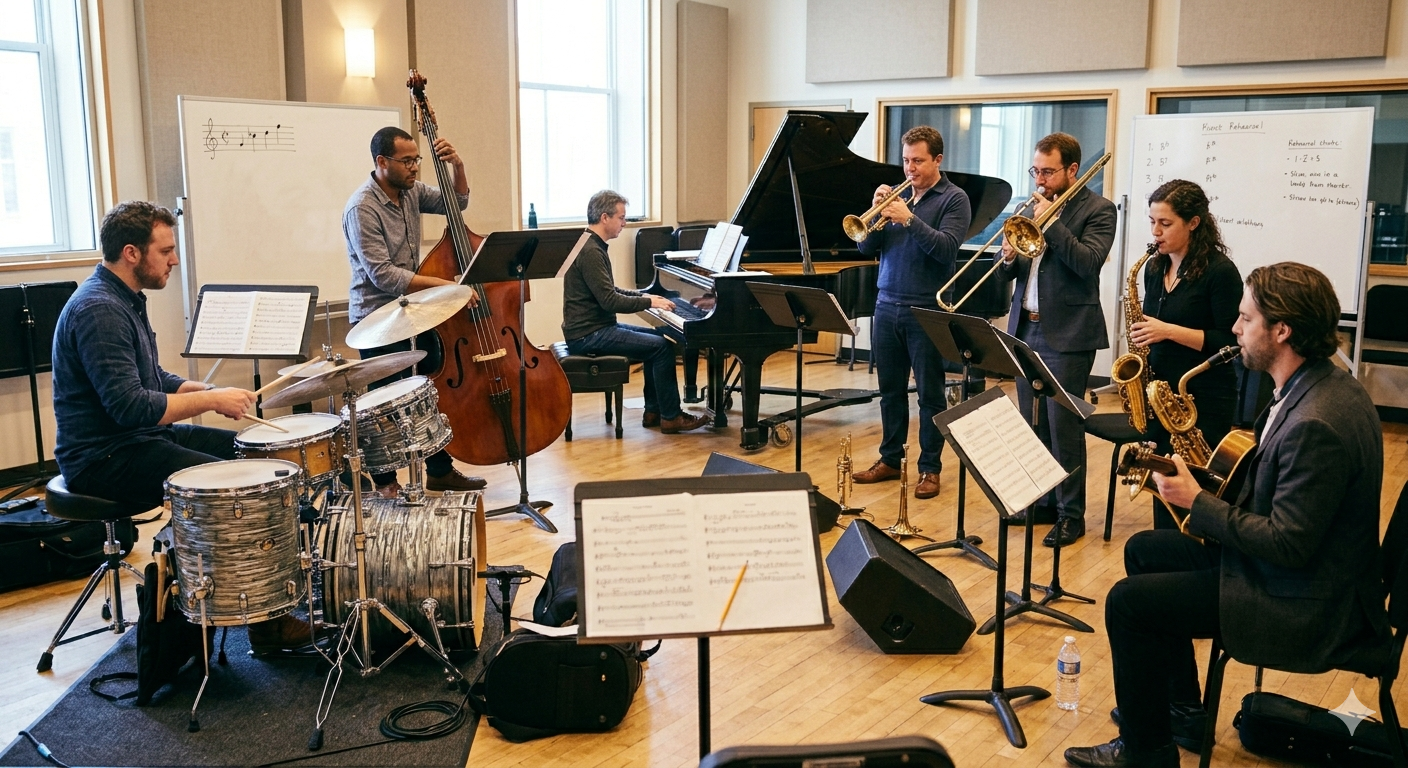
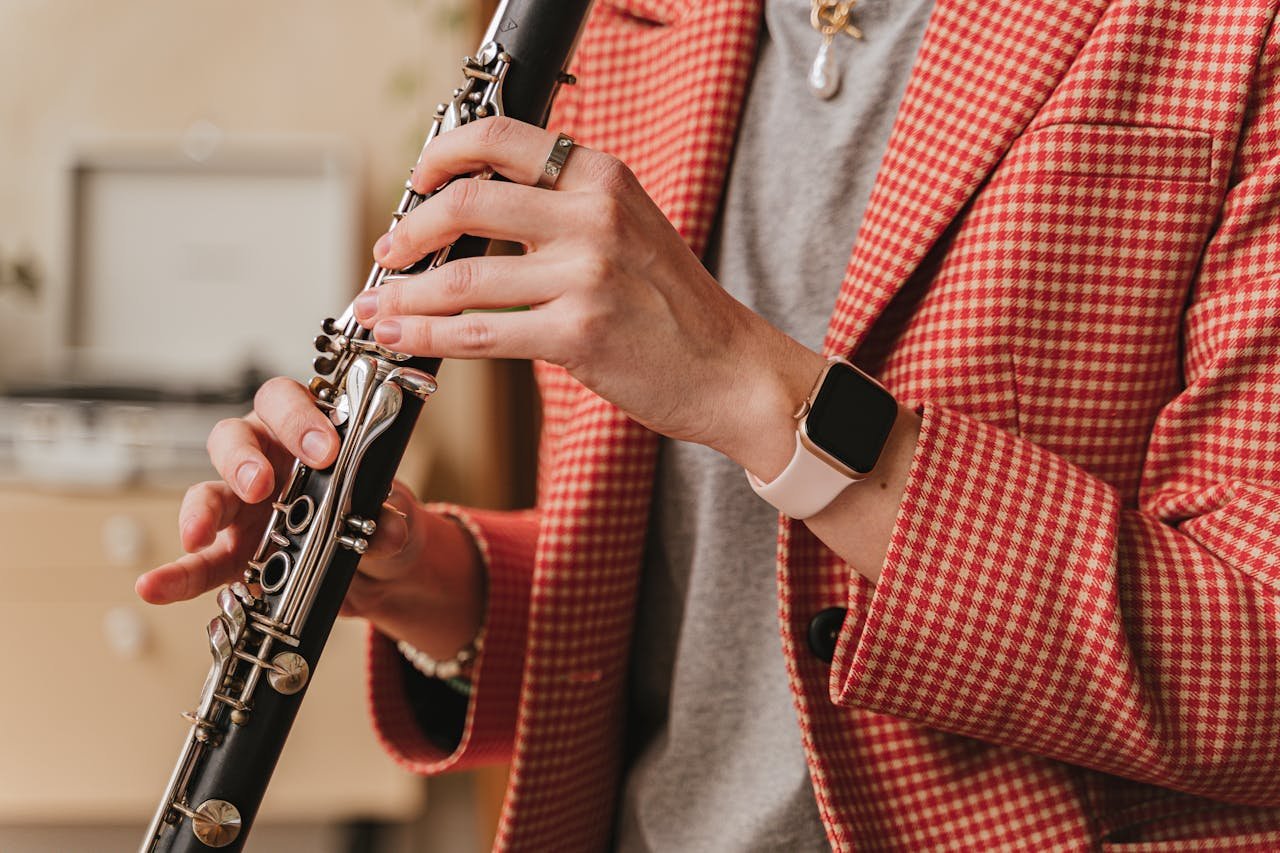
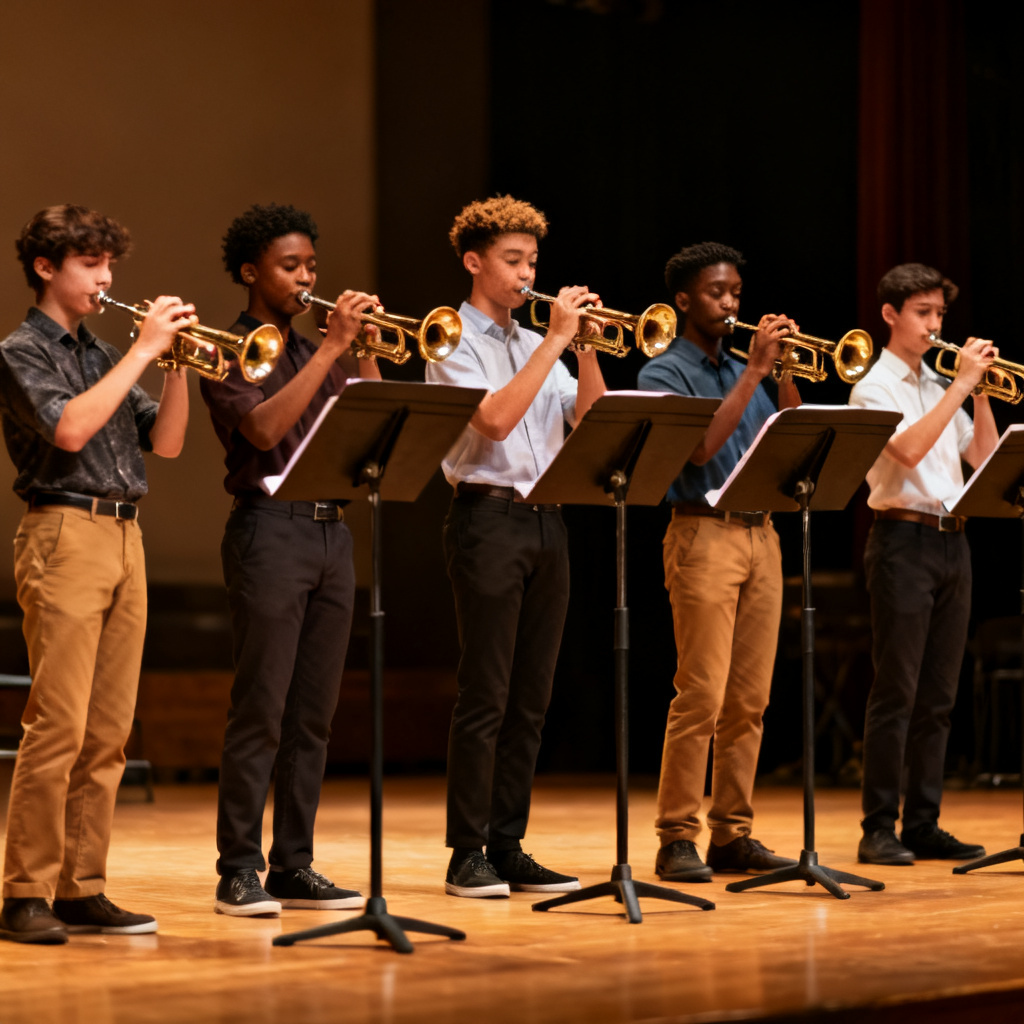
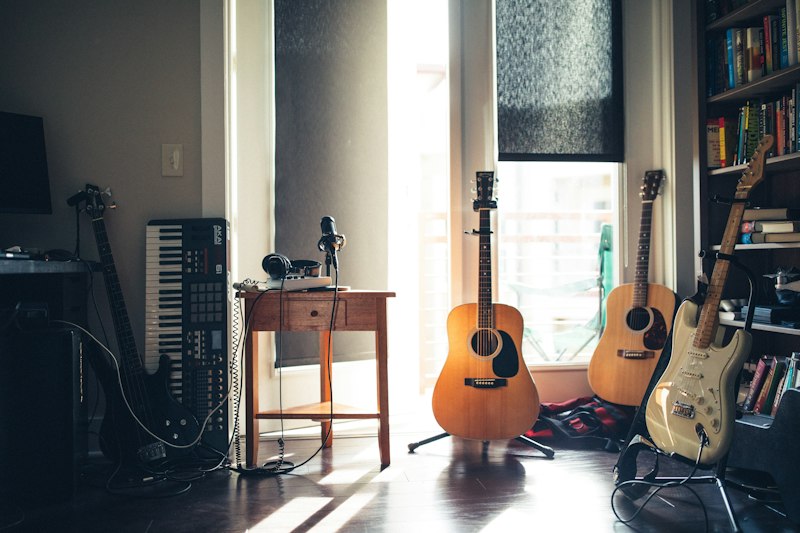
"Learn with knowledge using the simple Alphabetical order the Piano shows us to easily get music today."
Why AtoG+5
works.
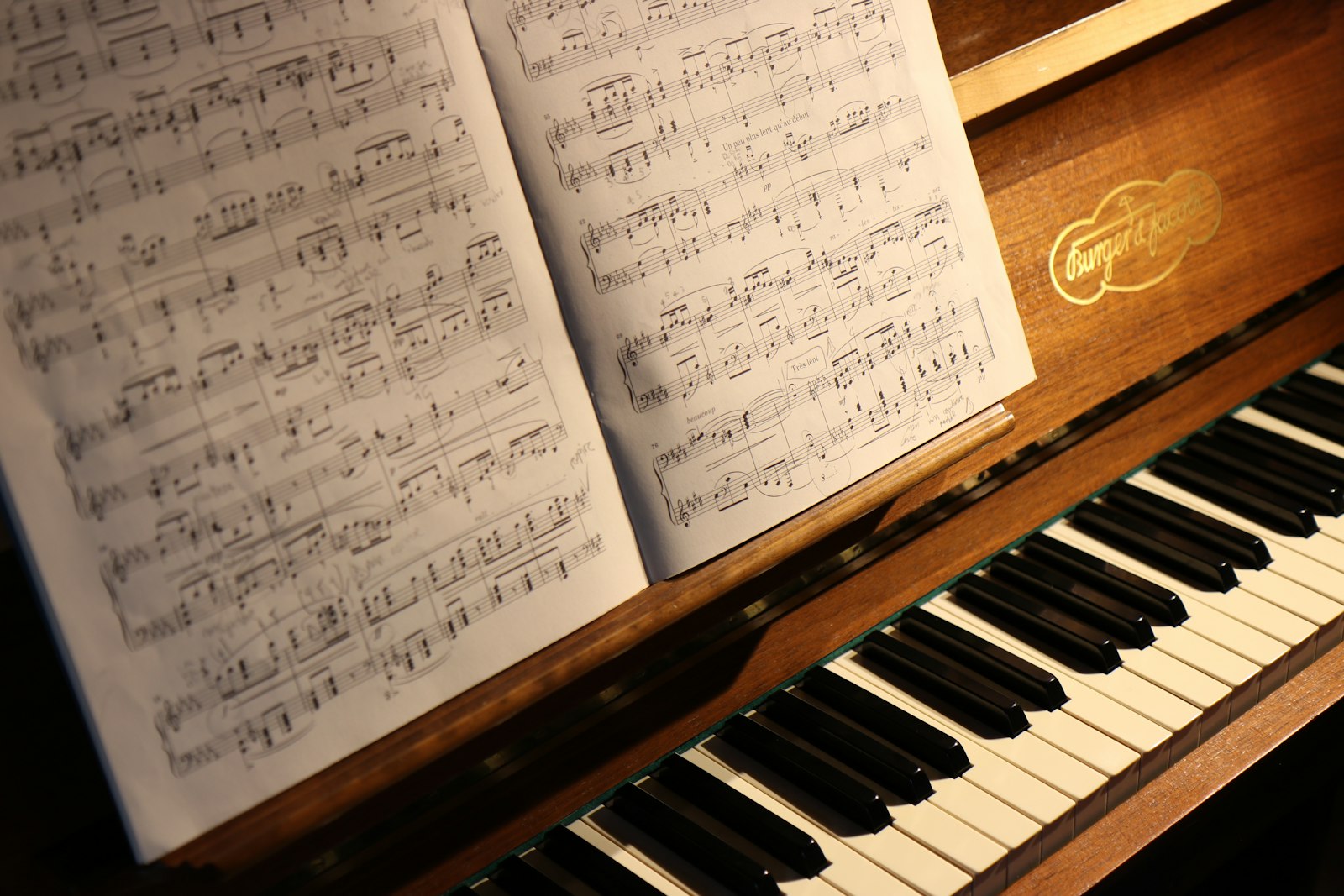
Music is more like a Game or Sport where the activity is as much in the doing as in the learning.
— The Playatogpro Philosophy
What our
students say.
"In one calendar year my son went from playing Hot Cross Buns to playing Donna Lee by Charlie Parker. He really loves music and would recommend Bandorama to anyone!"
" My child started clarinet in November having only played piano before and in January was accepted into Peninsula Youth Orchestra!"
" My 8th grade son not only learned alto saxophone from Mr. Burkert, but also learned flute and clarinet in lessons with Mr. Burkert at Bandorama. He was the youngest student at Stanford Jazz Camp at 13 years old!"
Musical News.
All Posts →